Breslau or Wroclaw, /londn/ or /london/, Beijing or Peking - what languages do with foreign place names, transnationally
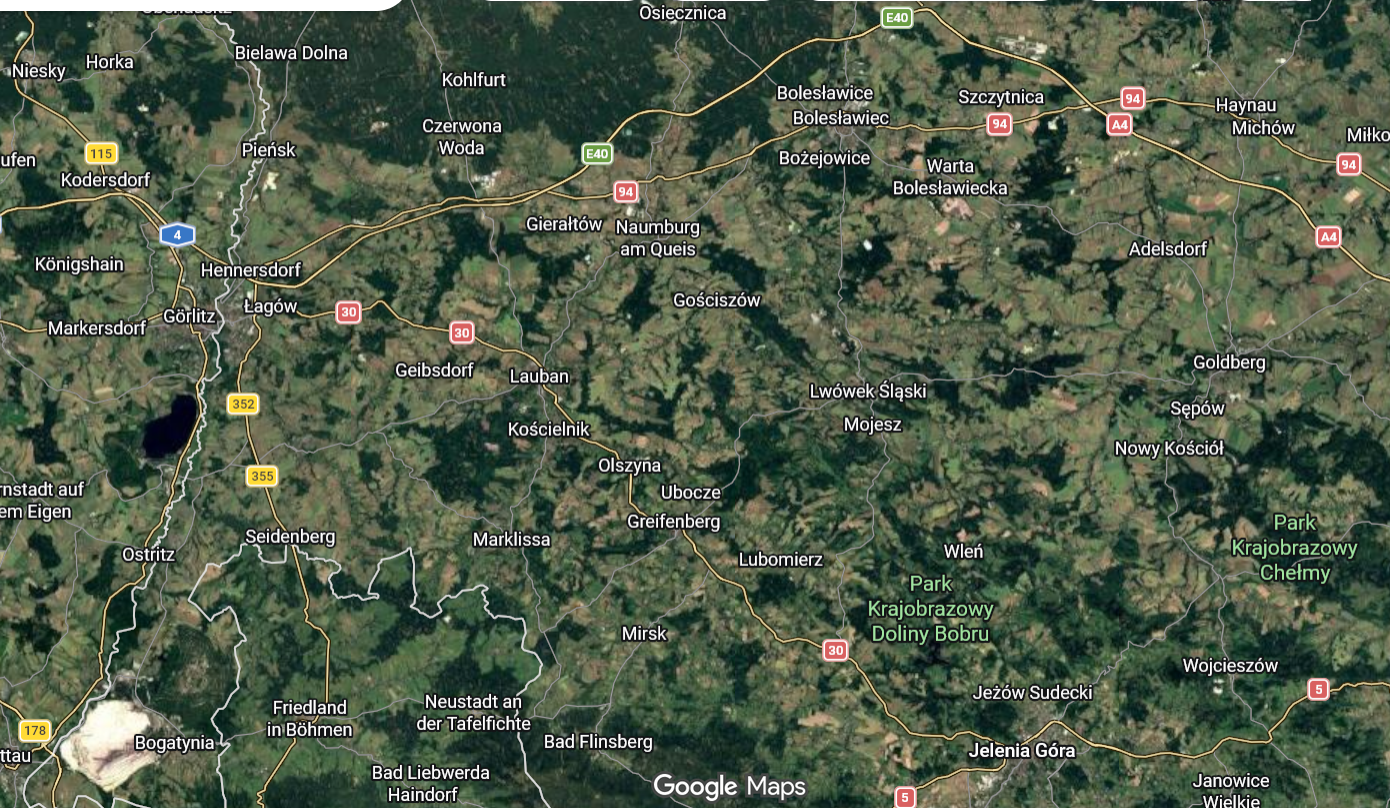
Have you ever learned a language in which your home city suddenly has a different name or pronunciation, or in which you had to add inflectional endings to it that seemed unusual? Or have you maybe looked at a map in German and been thankful to read the German name Stettin next to the Polish name Szczecin? Or the other way around, have you maybe felt weird looking at old German names for non-German cities, such as Königgrätz, Karlsbad or Lemberg? This workshop focuses on names of foreign places in various languages, trying to bring your experience from various languages together.
This workshop focuses on a topic that I have been interested in for a while. Any language is faced with the question of what to do with foreign place names. You might use the exact same word with a very close pronunciation as people from that region (endonym), or you might have a special word that is different from the „home“ word (exonym). There might also be some type of phonological or morphological adaption, or the foreign place names could remain outside of otherwise applicable grammar rules. This will likely depend on the combination of languages, and in many cases there seem to be strong traditions.
German, for example, seems to have a rather complex system. In German, you would generally pronounce British-/English-/American place names as in English – but not in the case of London. French place names would be pronounced more or less as in French (Avignon, Marseille…), but saying /pa‘ri/ for Paris would somehow be too much. Using traditional, old German names is common for many cities across Europe and beyond (Mailand, Breslau, Straßburg, Moskau, Peking…), but there might be changes – is it still adequate to speak of Breslau after 80 years of Wroclaw as a Polish city, you might ask? In the case of the Ukrainian city of Kyiv, for example, German media only recently moved away from the name Kiew of Russian origin.
In other, more inflectional languages, other problems arise. Foreign place names in Lithuanian, for example, are generally squeezed into the Lithuanian declension system (thus Berlinas, Paryžius, Niujorkas), but in Polish, where there is no such process, many foreign place names are not inflected.
In an attempt to find some patterns, rules, or systems, I would like to have some fun and compare your experience from various languages. I would first share some of my observations and then invite you to share your ideas and findings from the languages you speak and study. A global, typological view would be very welcome, so whatever your language focus might be, feel free to join. In the best case, we could develop some form of proto-WALS-map on this topic. Depending on your interests, we can lean more heavily into the morphological, phonological or socio-political direction.